
Ever notice how some rooms look perfectly put together while yours feels… incomplete? The missing piece is actually texture in interior design — and don’t worry, you’re not alone in overlooking it.
Texture is the secret to making a space look and feel finished and lived in. It’s the difference between a room that looks styled and one that feels welcoming. When I talk about texture, I mean both visual texture (what you see) and tactile texture (what you touch) — the layering of textiles, materials, and finishes that brings depth to your space.
In this guide, I’ll break down how to use texture in interior design step by step. No complicated terms, no fluff — just practical advice for creating cozy, stylish spaces that actually feel like home.
What Is Texture in Interior Design and Why It Matters

Image Source: Livspace
“A well-considered textural strategy can enhance comfort, create visual interest, and contribute to a cohesive design narrative.” — Anita Lang, Interior Designer, IMI Design Studio
Texture in interior design refers to the surface quality of materials and how they interact with your senses. In truth, texture works on two levels: tactile texture (what you physically feel when you touch a surface) and visual texture (what your eyes perceive).
Tactile texture comes from the actual physical surface of materials. Run your hand across smooth marble, rough stone, soft velvet, or grainy wood, and you feel the peaks and valleys that define each material. Visual texture, on the other hand, creates the appearance of texture without the physical quality. Patterns printed on fabric, color variations on walls, or faux finishes that mimic other materials all create visual texture.
So why does texture matter? Without it, rooms feel flat and sterile, even with perfect color schemes and furniture placement. Texture adds depth and dimension that transforms two-dimensional spaces into environments you want to inhabit. Soft textures like plush throws create coziness and warmth, while smooth, glossy surfaces bring sophistication and modernity.
Texture also influences how light behaves in your space. Smooth surfaces reflect light, making rooms feel brighter and more open. Rough, matte textures absorb light, creating intimate, subdued atmospheres. Beyond esthetics, texture affects mood, visual weight, and how you emotionally connect with a space. The interplay between different textures guides your eye through a room and determines whether it feels inviting or cold.
Step-by-Step Guide to Using Texture in Your Space
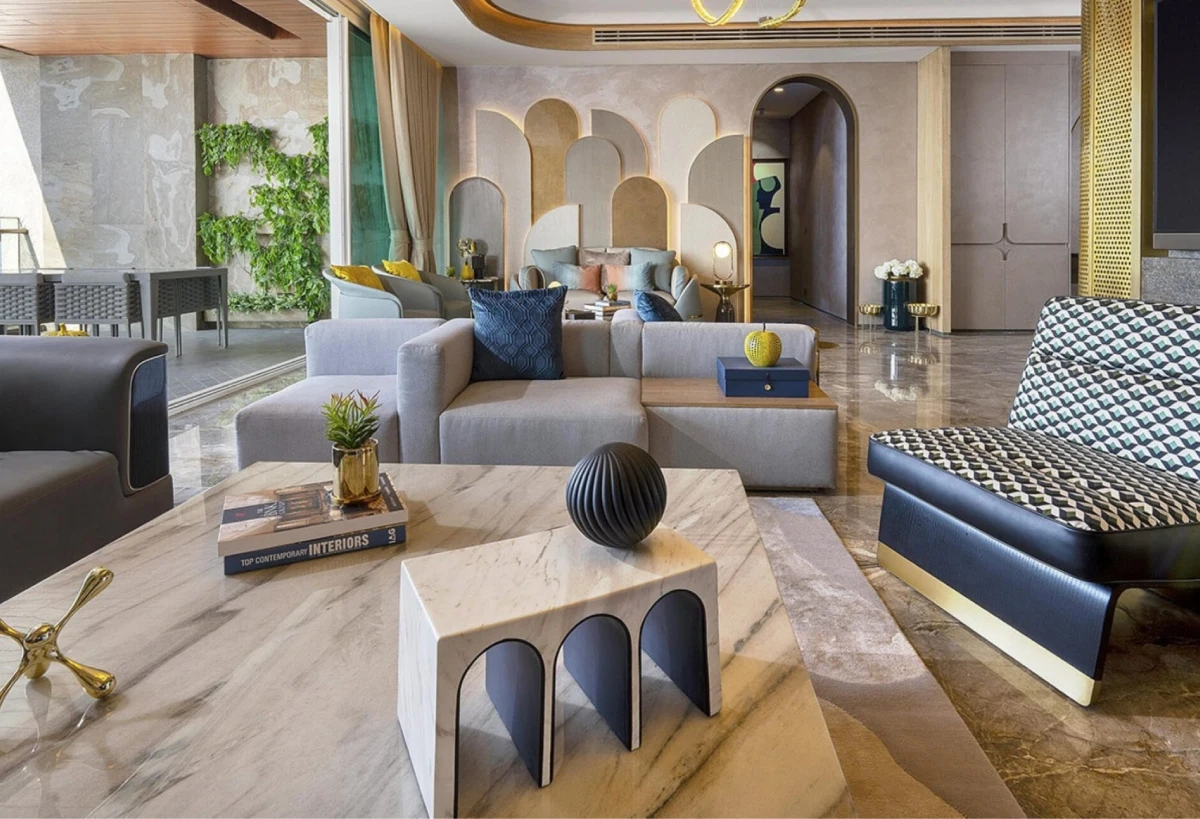
Image Source: Dynamic Designs Decor
“Layering is the art of combining contrasting textures, shapes, materials, and scales to create a room that feels intentional, collected, and visually dynamic.” — Sarah Hart, Owner and principal designer at Sarah Hart Interior Design
Building texture into your space works best when you follow a methodical approach. Start with your architectural foundation: flooring, walls, and ceiling details set the baseline. Wide-plank hardwood, limewashed walls, or stone surfaces establish the initial mood. These foundational choices influence every decision that follows.
From there, focus on your anchor pieces. Choose one standout texture per zone, like a woven rug or plush seating. Apply the opposites attract principle by pairing contrasting materials. A mohair sofa gains dimension when styled with sateen or tweed throw pillows. In like manner, smooth leather paired with chunky knit throws creates beautiful visual dialog.
Scale matters when layering texture. Start with something bold, then introduce medium and smaller scale elements. Reserve large-scale textures for smaller items like throw pillows, while larger furniture pieces benefit from finer textures. Pair a bold geometric pattern with something delicate to achieve balance.
Keep your color palette cohesive while varying materials. At the same time, maintain restraint by limiting yourself to three to four distinct textures per room. Balance prevents visual chaos, especially when you mix soft fabrics with structured materials like metal or wood. Start small by introducing decorative tape or trim on pillows or draperies for a custom look without feeling overwhelming.
Types of Texture in Interior Design with Examples
Understanding the specific types of texture in interior design helps you make informed choices for your rooms. Soft textures form the foundation of comfort. Velvet brings luxurious tactile quality with its light-responsive sheen and glorious drape. Chenille offers understated, buttery softness with a plush, tufted quality. Wool provides warmth and durability, while linen delivers relaxed elegance with its natural slubs and open weaves.
Hard textures provide structure and sophistication. Marble exudes elegance with eye-catching veining, while granite offers scratch-resistant durability for countertops. Glass and polished metal surfaces reflect light, making rooms appear larger and colors seem deeper.
Natural textures connect your space to the outdoors. Wood ranges from smooth, polished finishes to rough, reclaimed surfaces. Stone surfaces like limestone and slate offer rustic appeal. Rattan furniture and woven baskets add relaxed, tropical character. Bamboo brings sustainable style with distinctive linear rhythm.
Rough textures ground spaces with earthy authenticity. Brick walls create striking accents with industrial character. Concrete adds modern, versatile appeal. Jute and sisal provide natural roughness underfoot.
Metallic textures introduce glamor sparingly. Brass and copper add warmth, while stainless steel delivers clean, contemporary polish.
Conclusion
You now have everything you need to transform flat spaces into rooms with depth and character. Start with your foundation, layer contrasting materials, and remember to balance soft with hard textures. Don’t overthink it. Pick one room and introduce a new texture this week. Undoubtedly, the difference will be immediate. Texture isn’t complicated once you understand the basics. Keep experimenting, and your spaces will feel more inviting and complete with each thoughtful addition.
Key Takeaways
Texture is the missing ingredient that transforms flat, sterile rooms into warm, inviting spaces through both visual and tactile elements.
• Layer contrasting textures strategically—pair smooth with rough, soft with hard—to create depth and visual interest in any room.
• Start with architectural foundations (flooring, walls), then add one anchor texture per zone while limiting yourself to 3-4 distinct textures maximum.
• Balance soft textures like velvet and chenille with hard materials like marble and metal to prevent visual chaos and achieve sophistication.
• Scale matters: use bold textures on smaller items like pillows, while larger furniture benefits from finer, more subtle textures.
• Natural materials (wood, stone, rattan) connect spaces to the outdoors and add authentic character that synthetic alternatives can’t replicate.
The key to mastering texture in interior design isn’t complexity—it’s intentional layering. By understanding how different materials interact with light and each other, you can create rooms that don’t just look styled, but actually feel like home. Start small, experiment with one new texture at a time, and watch your spaces transform from incomplete to irresistibly cozy.
FAQs
Q1. How do you add texture to a room’s interior design? Layer different textures by combining contrasting materials like smooth leather with chunky knit throws, or pair rough surfaces with soft fabrics. Start with architectural foundations (flooring and walls), then add textured furniture pieces, use contrasting fabrics for pillows and upholstery, and incorporate natural elements like plants and woven accessories to create depth and visual interest.
Q2. Why is texture important in interior design? Texture prevents rooms from feeling flat and sterile by adding depth and dimension that transforms spaces into environments you want to inhabit. It influences how light behaves in your space, affects mood and visual weight, and determines whether a room feels inviting or cold. Without texture, even perfectly color-coordinated rooms with ideal furniture placement can feel incomplete.
Q3. What are the main types of texture used in interior design? The main types include soft textures (velvet, chenille, wool, linen), hard textures (marble, granite, glass, polished metal), natural textures (wood, stone, rattan, bamboo), rough textures (brick, concrete, jute, sisal), and metallic textures (brass, copper, stainless steel). Each type serves different purposes in creating visual interest and tactile experiences.
Q4. How many different textures should you use in one room? Limit yourself to three to four distinct textures per room to maintain balance and prevent visual chaos. This restraint helps create a cohesive design while still providing enough variety to add depth and interest. Mix soft fabrics with structured materials like metal or wood, and vary the scale of textures throughout the space.
Q5. What’s the difference between visual and tactile texture in interior design? Tactile texture refers to the actual physical surface quality you feel when touching materials like smooth marble, rough stone, or soft velvet. Visual texture creates the appearance of texture without the physical quality, such as patterns printed on fabric, color variations on walls, or faux finishes that mimic other materials. Both work together to create depth in a space.